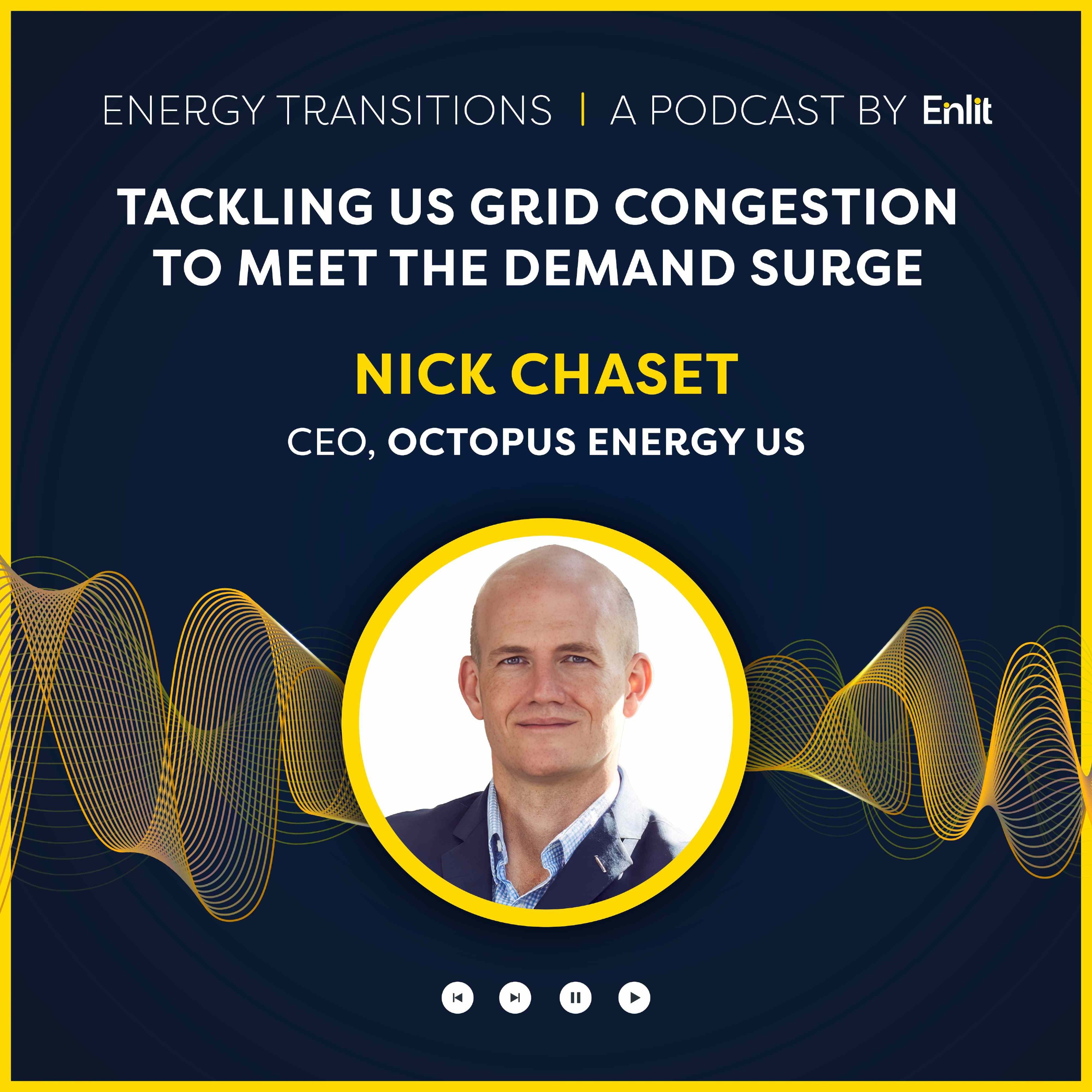
Hosted By

The United States is experiencing an unprecedented wave of electricity demand growth. While electrification and electric vehicles continue to contribute significantly, the rapid expansion of AI-driven data centres has introduced a new level of complexity. Facilities consuming hundreds of megawatts, or even gigawatts, of power are being developed on timelines far shorter than utilities have traditionally planned for.
This creates a mismatch between supply, demand and network capacity that manifests as grid congestion. In this episode of the Energy Transitions podcast, Pamela Largue speaks to Nick Chaset, CEO of Octopus Energy US, to learn more about how the grid congestion challenge should be tackled. He points to the expanding role of distributed assets such as energy storage and highlights the regulatory reforms needed to unlock smarter networks.
Chaset also asserts that while continued investment in generation and network infrastructure is critical, the reality is that building more assets alone may not be enough. The future grid will need to be smarter, more flexible and more responsive to survive the increasing demand loads we are expecting in the future.
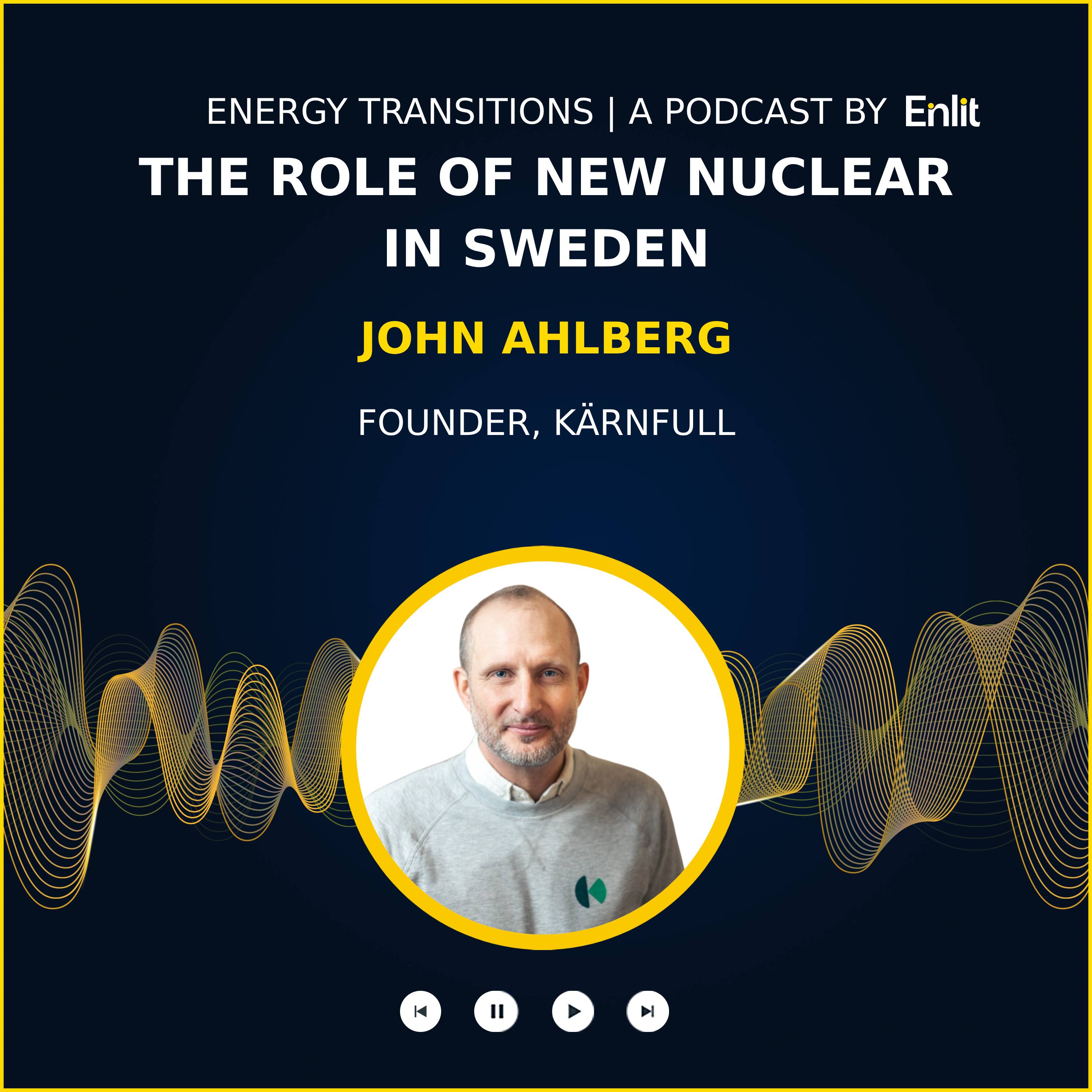
In this episode of the Energy Transitions podcast, Pamela Largue speaks with John Ahlberg, Founder of nuclear scale-up Kärnfull, about the polarised opinions concerning...
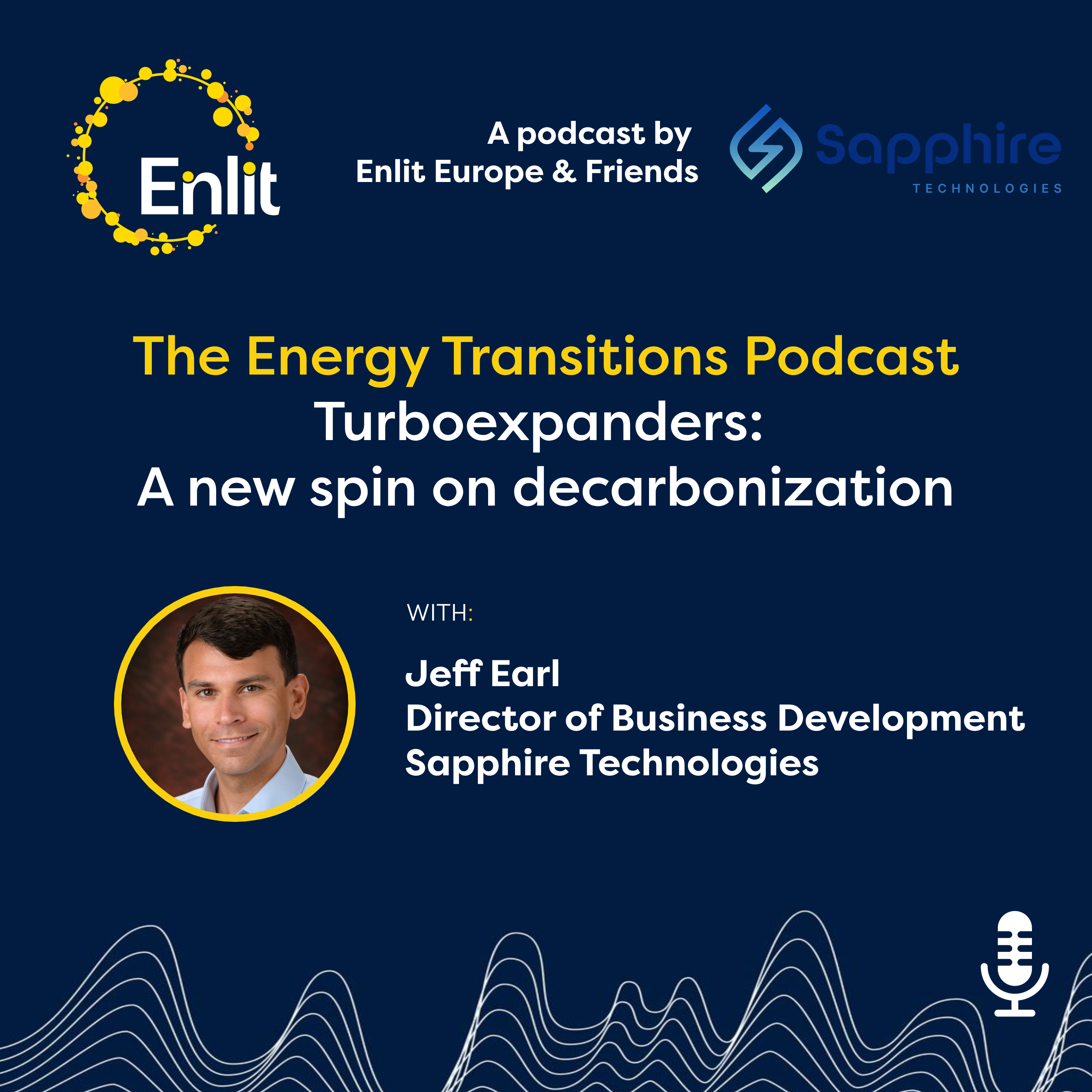
In this episode of the Energy Transitions Podcast, Pamela Largue speaks to Jeff Earl, Director of Business Development at Sapphire Technologies, about the latest...
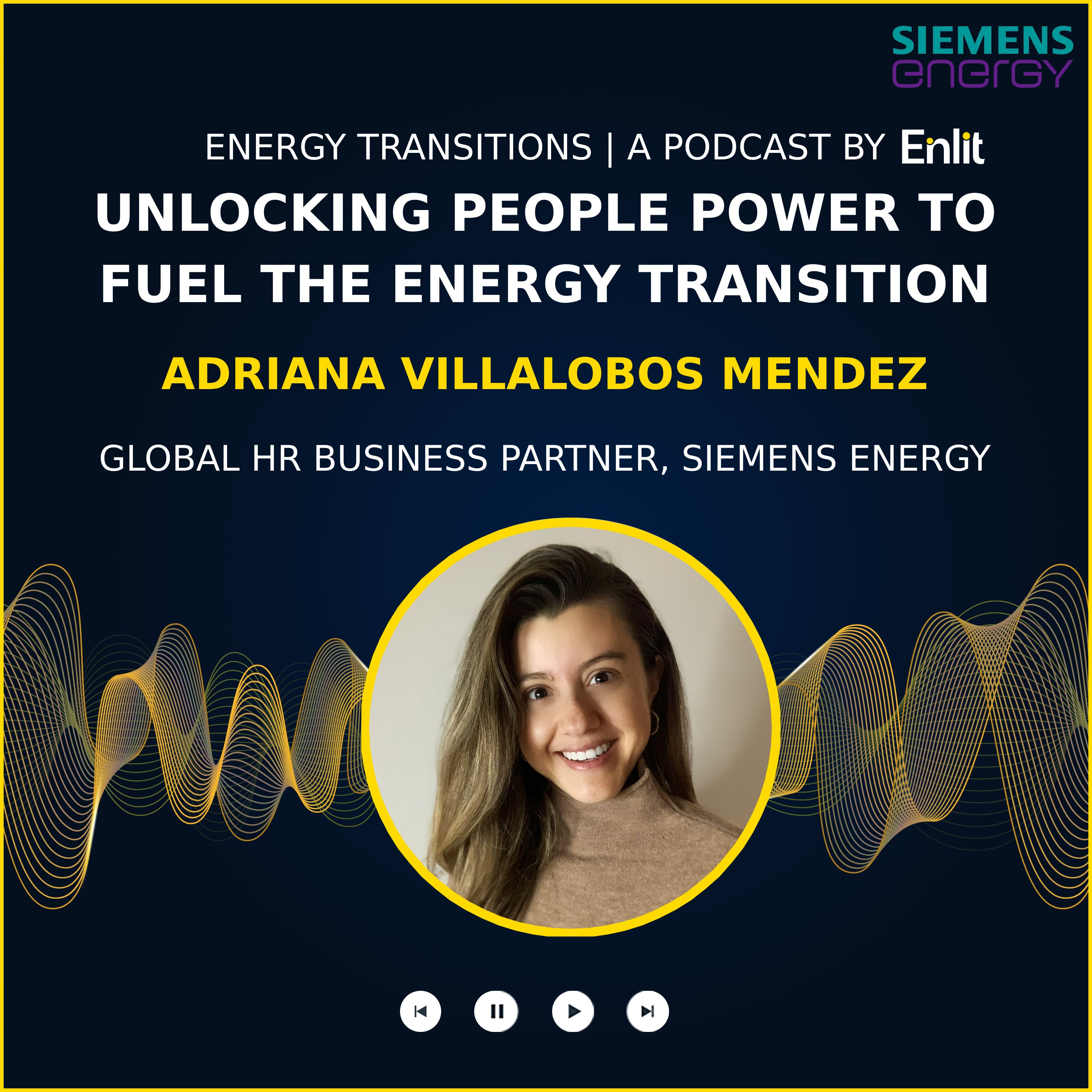
In this episode of the Energy Transitions podcast, Enlit editor-in-chief Kelvin Ross unpacks the topic in more detail with Adriana Villalobos Mendez, Global Human...